
Lanzarta receives approval for dual nursery and forest application to target Hylobius
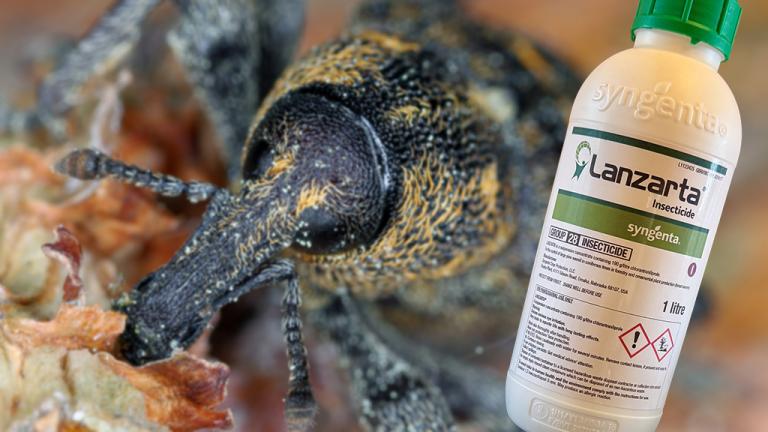
Syngenta insecticide Lanzarta has now received full registration approval for use in UK forest nurseries and in-forest application. This provides comprehensive protection for sitka spruce and other pine woodland species against damage from Hylobius abietis (large pine weevil).
|
|
|
|
Two-stage protection strategy

The dual approval for nursery and forest enables a complete strategy to tackle reforestation losses from Hylobius feeding damage in high-pressure situations, according to Sarah Hughes, Syngenta Business Manager for Forestry.
Nursery pre-treatment provides crucial early-season control, when newly planted saplings are most vulnerable, whilst subsequent in-forest application offers supplementary protection against later-emerging weevil generations.
Lanzarta applied in nurseries ensures precision stem and bark coverage, whilst minimising environmental loss. In-forest knapsack application provides targeted protection where ongoing pressure is identified.
Timing and application
Sarah warned that serious Hylobius infestations typically occur in the first year after planting, especially near clear-fell areas. "Attacks can occur from late spring through to late autumn, with successive weevil generations emerging from infested stumps. Climate change indicators show insect activity typically occurring earlier and continuing longer in warmer conditions.
"Nursery pre-treatment with Lanzarta provides excellent early protection, with precision application ensuring all plants are covered," she advised. "In-forest application enables supplementary treatment to protect against later-emerging Hylobius where pressure is identified, or protection in subsequent years according to the risk encountered."
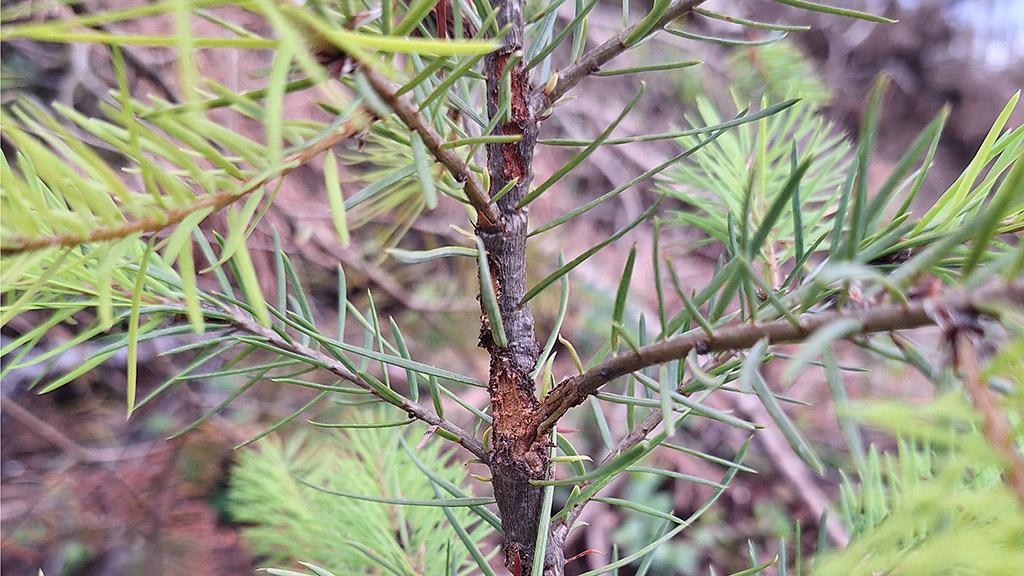
Protecting saplings through the crucial early years significantly reduces restocking costs and time, whilst creating more consistent woodland stands.
Confor National Manager Scotland, Richard Hunter, said: “Confor welcomes the full approval of Lanzarta for use in the forest industry to protect young trees from Hylobius. This is an important boost to the range of tools needed by the UK sector to continue fighting against a massive and destructive large pine weevil population.
“As part of the Hylobius Industry Research Programme, Confor is pleased to have been the industry applicant for the 2025 Emergency Approval, working in partnership with Syngenta to achieve a great result.
“As the sector continues to explore different methods for Hylobius control, we know that a fast-acting insecticide will be needed for many years to come,” added Richard.
Quick action control
The quick-drying SC liquid formulation of Lanzarta is easy and precise to use in both nursery and forest settings. It binds strongly to tree bark, preventing rain wash-off and providing long-lasting protection.

The active ingredient, chlorantraniliprole - inspired by naturally occurring diamide insecticide from the Ryania plant - only affects pests physically feeding on treated plants, quickly stopping damage. Lanzarta has a positive toxicological and environmental profile for non-target organisms and woodland biodiversity.
Industry impact
Sitka spruce, which is highly susceptible to Hylobius damage, represents the UK's third largest single crop area, after wheat and barley. Approximately 35 million sitka trees are planted annually, accounting for an estimated 50% of the £2bn UK forestry industry.

Sarah highlighted trials demonstrate that effective early-year prevention of Hylobius activity allows pest populations to naturally diminish, while at the same time trees establish sufficient resilience against later damage. Forest advisors recommend integrating Lanzarta with cultural measures for enhanced pest control, such as extended fallow periods, ground cover manipulation and reducing larval food sources.
"Further information on the product and it's usage along with ongoing trials will be available in the coming weeks," she added.
Find out more on maintaining healthy sitka growth with the Lanzarta Information Hub
